
What is Copper Sulfate Used For?
What is Copper Sulfate Used For?
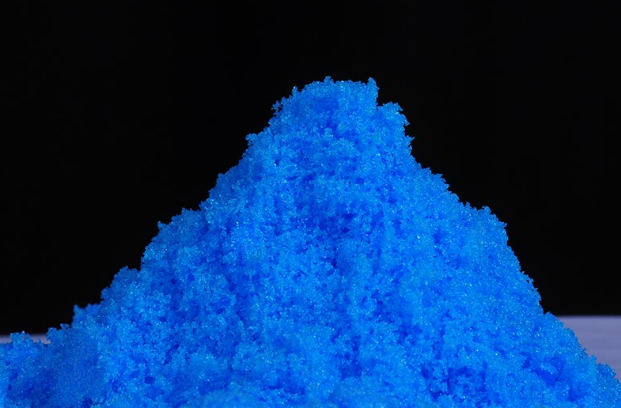
Copper sulfate, also known as cupric sulfate, is a versatile chemical compound with a wide range of applications in agriculture, industry, and science. Its bright blue crystals are easily recognizable, and its usefulness extends far beyond its striking appearance. In this blog, we’ll explore the most common uses of copper sulfate and why it remains an essential chemical in many fields, highlighting various Copper Sulfate uses.
1. Agricultural Applications
One of the most well-known uses of copper sulfate is in agriculture. It serves as a fungicide, herbicide, and pesticide, helping farmers protect crops from various plant diseases. These agricultural benefits are just some of the notable Copper Sulfate uses.
-
Fungicide: Copper sulfate is effective against fungal infections such as blight, mildew, and leaf spots. It is commonly mixed with lime to create the “Bordeaux mixture,” which has been used for over a century to protect crops like grapes, tomatoes, and potatoes.
-
Algicide: It helps control algae growth in irrigation systems, ponds, and water reservoirs.
-
Soil treatment: In small amounts, copper sulfate can correct copper deficiencies in soil, promoting healthy plant growth.
2. Industrial Uses
Copper sulfate also plays a significant role in various industrial processes:
-
Electroplating: It is used in electroplating baths to deposit a layer of copper on metal surfaces, improving conductivity and corrosion resistance. This illustrates one of the industrial Copper Sulfate uses.
-
Mining: Copper sulfate helps in the flotation process, which separates valuable metals from ores.
-
Textile and leather industries: It acts as a mordant in dyeing fabrics and in tanning leather.
3. Laboratory and Educational Uses
Scientists and educators widely use copper sulfate in research and education because of its chemical properties.
-
Chemical experiments: It is commonly used in crystallization experiments in chemistry classes to teach students about solubility and crystal formation. These educational Copper Sulfate uses enhance learning.
-
Analytical reagent: Copper sulfate can help detect reducing sugars and other substances in laboratory tests.
4. Other Applications
-
Aquaculture: Farmers sometimes add copper sulfate to fish ponds to control harmful algae and parasites.
-
Construction: Builders use copper sulfate as an additive in concrete to prevent algae and fungal growth.
-
Medical: People historically used copper sulfate as an antiseptic and in some veterinary treatments, though they use it directly on humans only rarely today.
Safety Considerations
While copper sulfate offers many benefits, it is important to handle it with care. For instance, it is toxic if ingested in large amounts and, in addition, can cause skin and eye irritation. Therefore, always follow the recommended guidelines when using copper sulfate in any application. Moreover, wearing protective gear, such as gloves and goggles, can help minimize risks. By taking these precautions, you can safely utilize copper sulfate while avoiding potential hazards.
Conclusion
Copper sulfate is a multifaceted chemical that touches agriculture, industry, science, and more. From protecting crops to aiding in chemical experiments, its applications are vast and valuable, demonstrating the diverse Copper Sulfate uses.